
How to Choose the Right Helmet Visor Fit for Better Riding Comfort and Safety?
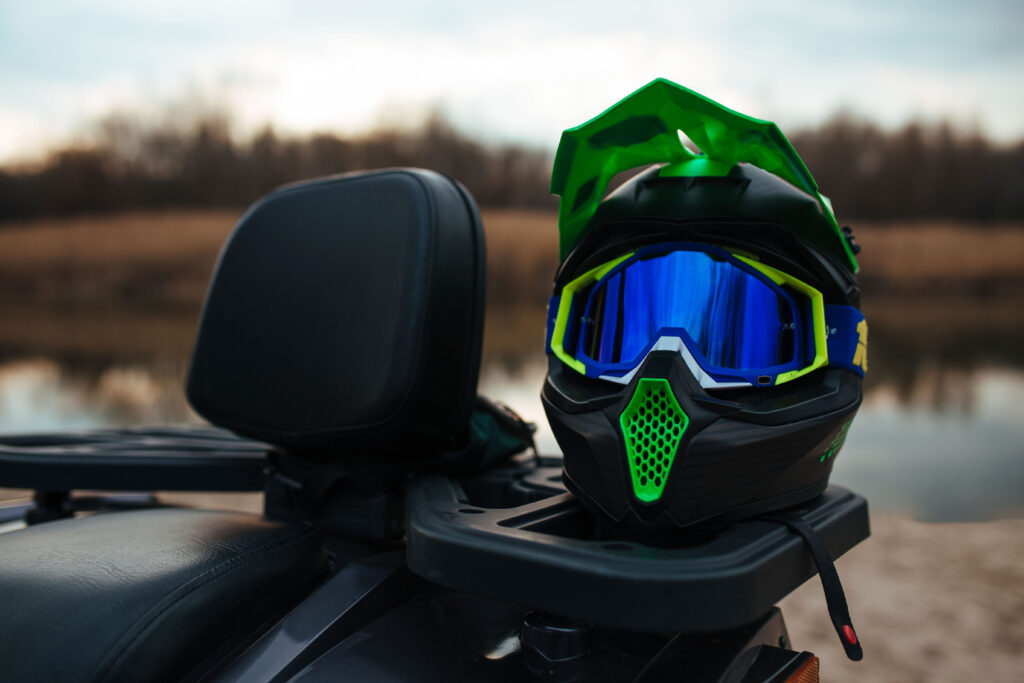
Riders should consider upgrading from the stock visor supplied with most helmets because these are usually basic clear visors designed to meet minimum requirements rather than real-world riding needs.
Aftermarket or custom visors improve both safety and comfort by offering tinting or photochromic technology to control glare and UV exposure, anti-fog and hydrophobic coatings for clear vision in rain and cold conditions, and scratch-resistant surfaces that last longer.
Better optical clarity reduces eye strain on long rides, while the option to switch between clear, tinted, mirrored, or transition visors allows riders to adapt to day rides, night riding, highways, dust, and pollution.
Custom visors also tend to fit specific helmet models more precisely, which can improve sealing and aerodynamics, and they add a personalized look. In short, stock visors are built for general use, while custom visors let riders fine-tune visibility, safety, comfort, and style for different riding conditions.
Types of Helmet Visors. Which one should you buy?
Clear Helmet Visor
Clear helmet visors provide the highest level of visibility and are the best option for night riding. They work well for city commuting and low-light conditions. However, on long highway rides, clear visors can cause glare from oncoming headlights, which may lead to eye strain. Despite this, they remain the most versatile and safest choice for everyday and night use.
Tinted Helmet Visor
Tinted visors are designed to reduce glare in bright sunlight and are ideal for daytime highway rides. They improve comfort in harsh daylight but significantly reduce visibility in low-light conditions. Using tinted visors at night is unsafe and not recommended.
Smoke Helmet Visor
Smoke visors offer moderate glare reduction and sit between clear and dark tinted visors. They perform well in mild sunlight but still restrict light transmission. Due to reduced visibility, smoke visors are unsafe for night riding.
Mirrored Helmet Visor
Mirrored visors reflect strong sunlight and help reduce heat and glare during long rides. They are commonly used for touring and track riding in bright conditions. At night, mirrored visors severely limit visibility and should be avoided.
Photochromic Helmet Visor
Photochromic visors automatically adjust their tint based on surrounding light conditions. They darken in sunlight and clear up in low-light environments. High-quality photochromic visors can be usable for night riding, provided they fully transition to clear. Performance may vary based on temperature and visor quality.
How to Choose the Right Helmet Visor for Night Rides?
For night riding, always choose a clear visor with high optical clarity.
Important tips:
Avoid tinted or mirrored visors at night
Look for anti-fog coating or pinlock compatibility
Ensure scratch resistance for long-term clarity
Choose visors with low light distortion
A clear visor with anti-fog treatment offers the safest night riding experience.
Should You Buy a Certified Helmet Visor?
Yes. In India, buying a certified helmet visor is essential for both safety and legality.
Helmet visors must comply with BIS standards under IS 4151:2015 and carry the ISI mark, which confirms proper optical clarity, impact resistance, sufficient light transmission, and a wide field of vision.
Certified visors ensure:
Clear, distortion-free visibility without glareMinimum 50 percent light transmission for tinted visors.
Protection against debris and minor impacts.
Compliance with Indian road laws during checks.
Non-certified or decorative visors may look appealing but can compromise visibility, fail during impact, and are technically not road-legal, even if they meet international standards like DOT or ECE. For everyday riding and peace of mind, always choose an ISI-certified helmet visor.
How to Choose Between a Clear Visor vs Tinted
Choosing between a Clear Visor or a Tinted visor depends on your practical use case. If you are on a long ride its advisable to carry both.
| Feature | Clear Visor | Tinted Visor |
| Night riding | Safe | Unsafe |
| Day riding | Good | Excellent |
| Glare reduction | Low | High |
| Legal in India | Yes | Conditional |
Pros and Cons of Photochromic Helmet Visors
| Pros | Cons |
| Automatically adjusts to changing light conditions, darkening in sunlight and clearing in low light | More expensive than standard clear or tinted visors |
| Eliminates the need to carry or change visors during a ride | Tint transition can be slower in extreme heat |
| Ideal for touring riders who face mixed daylight and weather conditions | Limited effectiveness at night compared to a fully clear visor |
| Reduces glare and blocks harmful UV rays, lowering eye strain on long rides | May still require a Pinlock insert or anti-fog coating in rain or fog |
| Provides a seamless riding experience with fewer distractions | Availability is often limited to specific helmet models |
| Maintains consistent visibility across highways, tunnels, and open roads | Replacement cost is higher if the visor gets scratched or damaged |
Which Helmet Visor Is Best for Indian Weather?
For Indian riding conditions, the best options are:
- Clear visor with pinlock for daily commuting
- Smoke visor for sunny city rides
- Photochromic visor for touring across states
- High heat, dust, and humidity make anti-fog and scratch resistance essential.
Helmet Visor Maintenance Tips
- Always clean your helmet visor using a soft microfiber cloth to avoid creating fine scratches that can reduce optical clarity over time.
- Before wiping, rinse the visor with clean water to remove dust, sand, and debris, as dry rubbing can cause permanent surface damage.
- Never use petrol, diesel, alcohol, glass cleaners, or harsh chemical solutions, as these substances can strip protective coatings such as anti-scratch, anti-fog, and UV layers.
- When the helmet is not in use, store it away from direct sunlight and excessive heat, since prolonged exposure can weaken visor coatings and cause discoloration.
- Inspect the visor regularly, and replace it immediately if scratches, hazing, or distortion begin to affect visibility, especially during night or rain riding.
Proper visor maintenance not only extends its usable life but also ensures clear, distortion-free vision and safer riding in all conditions.
After learning how to choose the right helmet visor fit for better riding comfort and safety, it makes sense to look at the best helmet brands in india, as established brands offer visor systems with better fit accuracy, sealing, and long term optical clarity.
Explore More Expert Helmet Guides and Insights
Frequently Asked about Helmet Visors
A clear visor with anti-fog coating is the best option.
Light tint is acceptable, but dark tints can be unsafe and questioned by authorities.
Yes, but ensure it fully clears in low light.
Replace it every 1 to 2 years or when visibility degrades.
Yes, poor visibility directly increases accident risk.
Pinlock prevents fogging and improves visibility in humid conditions.
Yes, use water and a microfiber cloth only.
They are not recommended for daily or night riding.
Always buy visor models designed for your specific helmet.
Not always. Certification, clarity, and fit matter more than price.