
How to Choose the Right Helmet Fit: Helmet Size Charts, Measurements, and Sizing Guide
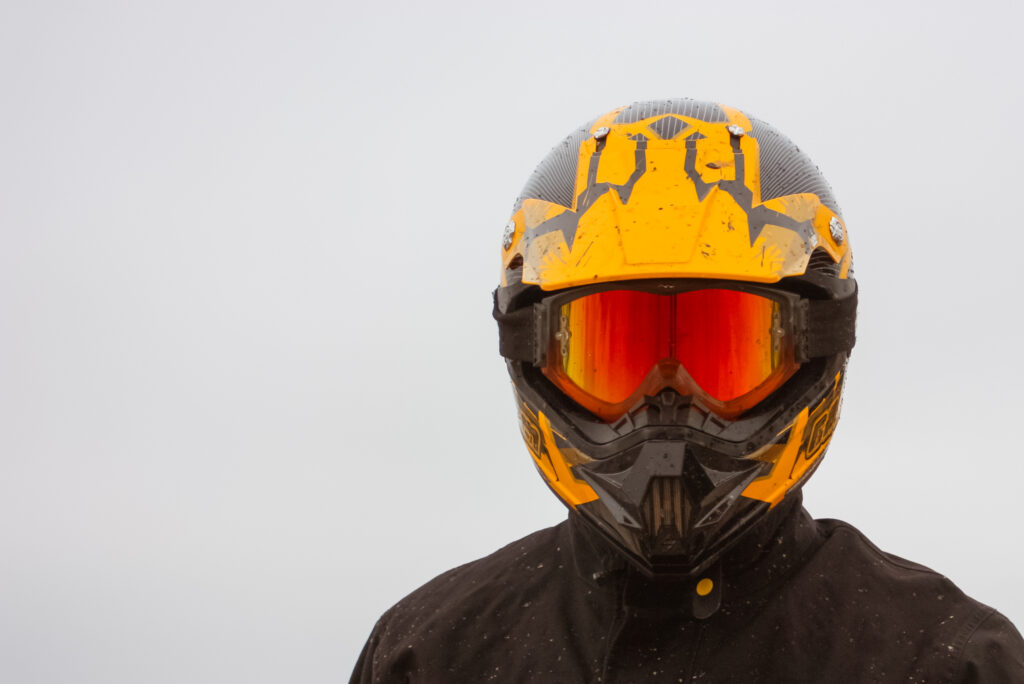
Even the safest helmet out there is useless if it does not fit you right.
Think about it. If the helmet is loose, it will wobble at higher speeds and feel unstable.
If it is too tight, it will press on nerves, cause headaches or nausea, and slowly suck the fun out of the ride, which completely defeats the point of riding in the first place.
Spending a little extra time to get the fit right just makes sense. A well fitting helmet works with you, not against you, like a perfectly tuned suspension on a good road. The right fit improves stability, comfort, and confidence on the road.
This guide breaks down how to get that perfect snug fit using helmet size charts, helmet measurement charts, and simple, practical fitting checks.
Why Helmet Fit Matters More Than You Think
Helmet sizing directly affects safety. A loose helmet can move or come off during impact, while a helmet that is too tight can cause pressure points, headaches, and reduced focus while riding. Correct helmet sizing ensures the helmet stays firmly in place, distributes impact forces evenly, and works as designed during an accident.
How to Measure Helmet Size Correctly
Step-by-step helmet measurement method
To find your helmet size, you need to measure your head circumference accurately.
Use a soft measuring tape.Wrap the tape around your head, about one inch above your eyebrows and just above your ears.
Ensure the tape is level all around and snug, not tight.
Note the measurement in centimeters.This measurement forms the basis of every helmet size chart and helmet measurement chart used by manufacturers.
Helmet Size Chart Explained
Below is a general helmet sizing chart. Always remember that sizing may vary slightly by brand.
| Head circumference (cm) | Helmet size |
| 54 to 55 | Small (S) |
| 56 to 57 | Medium (M) |
| 58 to 59 | Large (L) |
| 60 to 61 | Extra Large (XL) |
| 62 to 63 | XXL |
If you are searching for an XL helmet size, your head measurement will usually fall between 60 and 61 cm, depending on the brand.
Is Helmet Sizing Universal Across Brands?
Helmet sizing is not standardised across manufacturers.
A medium from one brand may feel tighter or looser than another. This happens because helmet shells are designed for different head shapes.
First, always measure your head circumference accurately and use the brand-specific helmet size chart, not a generic one. This narrows down the correct size range for that particular helmet.
Second, whenever possible, try the helmet on physically. Wear it for at least 5 to 10 minutes to check for pressure points, excessive looseness, or movement when you shake your head.
Third, identify your head shape. If a helmet consistently feels tight on the sides, it may be designed for a longer oval head. If it presses on your forehead, it may be meant for a rounder head.
Switching brands often solves this issue better than changing sizes.
Finally, use adjustments wisely. Many helmets allow you to change cheek pads or liners to fine-tune the fit, but padding adjustments should improve comfort, not compensate for a fundamentally wrong shell size or shape.
In short, helmet sizing varies across brands due to differences in head shape design and internal construction. The fix is to combine accurate measurement, brand-specific size charts, proper test fitting, and head shape awareness rather than assuming one size fits all.
How a Properly Fitting Helmet Should Feel?
After wearing the helmet for a few minutes:
- The helmet should feel snug around the entire head.
- There should be no painful pressure points.
- The helmet should not move when you shake your head.
- Your cheeks should feel slightly compressed in full-face helmets.
- The helmet should not slide up when you pull it from the back.
- If the helmet moves easily or feels loose, the size is incorrect.
Why Should you Try the Helmet With Your Earbuds and Glasses On?
When you try on a helmet, do it the way you actually ride. Put on your earbuds and spectacles if you use them regularly. This makes a big difference and trust me, it comes in handy later. On long rides, music and navigation prompts can be genuinely useful, but only if the helmet supports them comfortably. Wear the helmet for at least five minutes and pay attention to how your ears feel. If you notice even slight ear pain, pressure, or discomfort, that is a sign the fit is too tight and it is better to look for a helmet that accommodates your ears and accessories more naturally.
Common Helmet Sizing Mistakes to Avoid
To check if your helmet is certified, start by looking for a clearly visible certification mark such as ISI, DOT, ECE, SNELL, or SHARP on the helmet or its inner lining. Next, verify the approval code, for example, IS 4151 for ISI helmets or ECE 22.05 or 22.06 for ECE-certified helmets. Carefully inspect the markings for signs of tampering, as fake helmets often have blurry printing, incorrect placement, or misspelt labels. Finally, genuine certified helmets usually come with proper documentation, including a user manual and certification details provided by the manufacturer.
Helmet Sizing for Long Rides and Daily Use

- Buy a larger size for comfort.
- Choosing size based on cap or hat size.
- Ignoring brand-specific size charts.
- Assuming XL helmet size is the same across all brands.
- Skipping a test fit and relying only on measurements.
- Comfort improves slightly as the padding breaks in, but a loose helmet will never become safe.
Helmet sizing is not guesswork. It is a measurable process based on head circumference, helmet measurement charts, and proper fit checks. Understanding helmet size charts and knowing how to measure helmet size correctly ensures the helmet performs its primary job of protecting your head. A well-fitted helmet is safer, more comfortable, and more reliable than an expensive helmet that does not fit properly.
Once you understand how to choose the right helmet fit, selecting from the best helmet brands in india becomes easier, as reputed brands follow consistent sizing, better shell shapes, and more reliable fit standards across their models.
Explore More Expert Helmet Guides and Insights
Frequently Asked Questions (FAQs) Around Choosing Helmet with the Right Fit
A new helmet should feel snug all around without causing pain or sharp pressure points, as the inner padding will loosen slightly over time.
If the helmet moves when you shake your head, slides up easily, or feels loose at high speeds, it is too big.
You should wear the helmet for at least 5 to 10 minutes to identify pressure points, discomfort, or excessive tightness.
Yes, slight cheek pressure is normal in a new full-face helmet and usually reduces as the padding breaks in.
Not all helmets accommodate spectacles or earbuds well, so you should always try the helmet with them on to check for ear or temple pressure.
Yes, helmet liners and cheek pads compress with use, which is why a snug initial fit is important.
This usually means the helmet does not match your head shape, and switching brands is often better than changing sizes.
It can be safe only if you measure your head accurately, follow the brand’s size chart, and ensure an easy return or exchange policy.
Cheek pad changes can fine-tune comfort, but they cannot fix a helmet that is fundamentally the wrong size or shape.
Both go together, because a helmet that is uncomfortable will distract you while riding and may not protect you properly in a crash.